
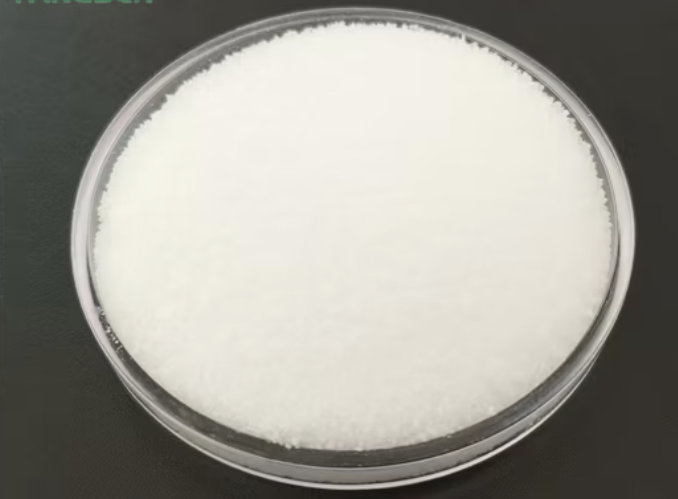
DATEM (E472e)
Diacetyl tartaric acid esters • bread volume
Appearance
Off‑white powder / pastilles
Acid value
Per COA (typ. 50–100 mg KOH/g)
Saponification value
Per COA
Lead (Pb)
meets food limits
GMO / Allergen
Declarations available
Reference data only—final compliance and numerical specs are per
the Certificate of Analysis for each lot and destination
regulation. Verify label and additive status
(Codex/EU/US/GB/other) for your market.
| Parameter | Typical | Spec |
|---|---|---|
| Appearance | Off‑white powder or pastilles | — |
| Acid value (mg KOH/g) | per lot | per COA |
| Saponification value | per lot | per COA |
| Moisture | ≤ 2.0% | ≤ 3.0% |
| Heavy metals | meets food limits | per regulation |
| Application | Bread/rolls • buns • instant noodles | — |
| Parameter | Typical | Spec |
|---|---|---|
| Active content | ≈ 40–60% DATEM in carrier oil | as ordered |
| Appearance | Viscous, light amber liquid | — |
| Acid value | per lot | per COA |
| Viscosity (25 °C) | flowable | as ordered |
| Application | Liquid dosing in industrial bakeries | — |
| Function & Use | Packaging | Storage & Handling |
|---|---|---|
|
• Improves bread volume, crumb structure, and strength;
stabilizes gas cells.
• Typical use: 0.2–0.5% on flour weight; optimize via trials and flour strength. • Synergistic with ascorbic acid and enzymes in bread improver blends. |
• 25 kg paper bags / cartons • 500–1000 kg big bags (on
request).
• Liquid: 200 kg drums • 900–1000 kg IBC. |
• Store cool, dry, sealed. Protect from moisture/odors.
Avoid direct sunlight.
• Shelf life typically 18–24 months (powder); liquids per COA. • Non‑DG. Follow good manufacturing practice and local food regs. |
Kosher/Halal, GMO, allergens, palm origin (RSPO) and nutritional
statements available on request. End‑use suitability is buyer's
responsibility; conduct factory trials.